Opportunity Update
What the platforms publish

Apple’s commission has one headline number. Everything interesting about it is an exception.

The App Store's 30 percent rate is real, published, and applies to fewer transactions than the headline suggests.

Read the piece
Smartphone screen showing the App Store listing for a Kazakh language-learning app
Fifteen per cent under the Small Business Programme Apple announced in November 2020; thirty above it. Photo: Alexey Demidov / Pexels

Nobody argues about the rates. They are printed. The argument is always about the figure somebody put in an advertisement.

Who takes a cut, as published

Each figure from the platform’s own terms
App Store, standard rate
30%
Small Business Programme
15%
YouTube watch-page ads
45%
Substack
10%
Etsy, per transaction
6.5%

The coloured part is what the platform keeps. Spotify is absent because it publishes no per-stream rate to keep — the figure everyone quotes is an average calculated afterwards.

Three pieces worth reading first

The rest is on the section pages
1

The Distribution Nobody Quotes When They Quote the Average

When a survey says the average creator earns $29,000 a year, the interesting question is what the median earns — and why nobody leads with that.

Printed bar chart with a blue gradient scale lies on a folded blue brochure

A mean and a median describe the same population and disagree about the typical year.

Photo: RDNE Stock project / Pexels

2

A Blessing Loom in Arkansas, and the Order That Ended It

The FTC pursued Blessings in No Time under pyramid and Business Opportunity Rule authority. The complaint's facts and the court's final order are the record.

Wooden peg figures arranged in an organizational chart with sticks connecting one leader to three others

The order that closed the case bars its operators from multi-level marketing for good.

Photo: Ann H / Pexels
3

Seven Days, and a Document, Before Any Money Moves

The FTC's Business Opportunity Rule requires sellers to hand over a specific disclosure form — and then wait — before a prospective buyer can be charged a cent.

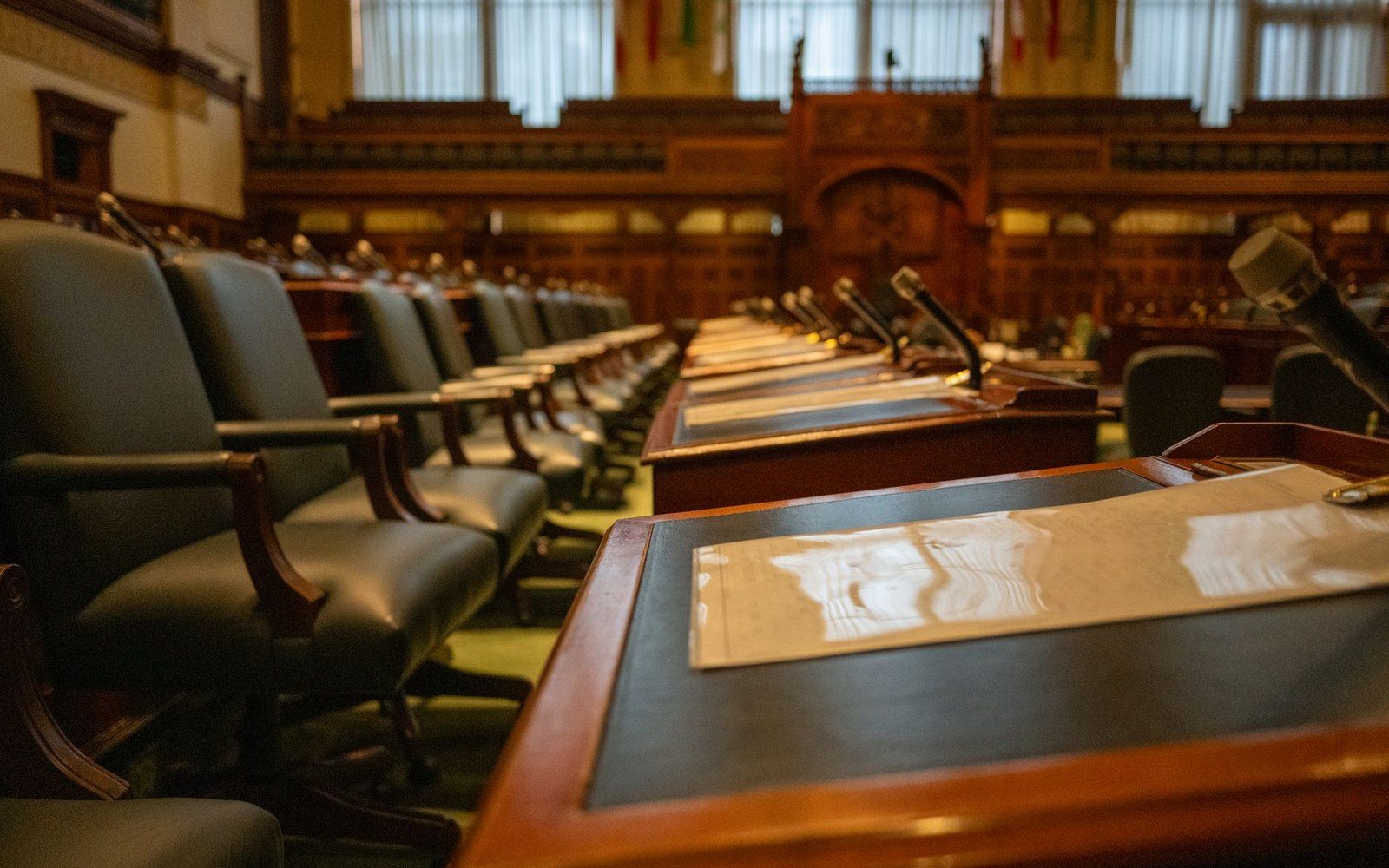
Empty leather chairs and wooden desks with microphones line a legislative chamber

Seven calendar days, and a document, before a buyer signs anything or pays.

Photo: Héctor Berganza / Pexels

One mark, and a subject made of five or six numbers: what the platforms publish, what the surveys found, and what the Commission asked a court to order. All twenty-eight pieces.

Four sections

Every piece lives in one of them
A revenue dashboard on a desktop monitor, daylight from a window at left
Section 1

What the platforms publish

The fee schedules, revenue shares and payout thresholds that platforms have published in their own terms — attributed and dated.

10 piecesOpen ↗
An adult's hands at a keyboard, a spreadsheet of monthly income figures on screen, coffee cup at edge of frame
Section 2

What people actually earn

Published surveys, Federal Reserve and BLS data, and platform-disclosed creator statistics — the figures behind the advertised numbers.

6 piecesOpen ↗
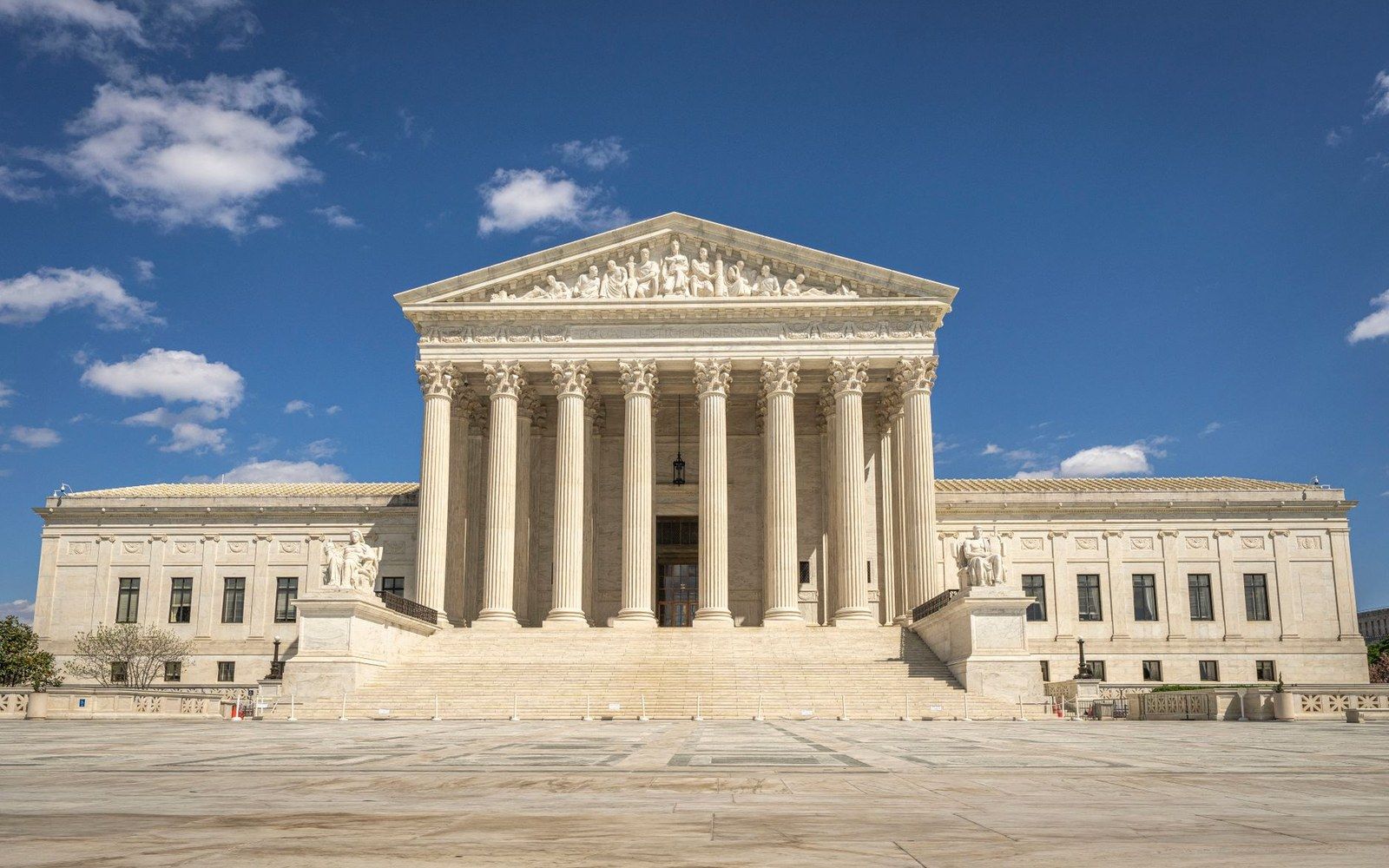
Exterior of a US federal courthouse in midday light
Section 3

The enforcement record

Named FTC actions, the Business Opportunity Rule, and what each filing asked for — described by the regulator's own documents.

9 piecesOpen ↗
A laptop screen showing a webinar registration landing page with a large earnings claim headline, photographed on a desk
Section 4

The trade that sells the figure

The course-and-coaching business, MLM income disclosure statements as published documents, affiliate networks, and the FTC's own guidance on endorsements.

3 piecesOpen ↗